
It's the start of September. The final quarter of the year is fast approaching, and before we know it, it will be Christmas. It feels like we’ll blink and it’s 2027.
That makes right now the ideal moment to ask a simple question. In your real estate business, do you actually know where your money has gone throughout 2026?
Most principals can tell you where their money comes from without hesitation. Sales Commissions. Property Management Revenue. Ask them to tell you where it goes, and their answers get vague.
Knowing where the money comes from is the easy part. Knowing where it is going is where the profit hides.
Because once you know where your money is going, you know where you're going to find it.
Your two income streams don't behave the same way.
Money comes into a real estate business two ways, and they could not be more different in character.
Property management is your regular income. It's steady and predictable. You know roughly what lands each month, which means you can line your expenses up against it, build a budget, and confidently state what your profit will look like at the end of the year.
Sales is a different animal.
Sales income is variable. There's no stable, dependable number you can bank on month to month in real estate sales. Some months are strong. Some are quiet. The income moves.
That one difference should change everything about how you spend.
The trap: fixed expenses on a variable income.
Here's the rule that matters. When your income is variable, you have to be genuinely scared of fixed expenses.
A fixed expense is one you pay no matter what. A lease on a car is the perfect example. That payment leaves your account every single month, whether you sold ten properties or none.
Over the last three to four years, in a strong sellers market, many sales businesses quietly accumulated these fixed expenses. The income was rolling in, and the fixed commitments grew almost without anyone noticing. Then the market shifted. Sales revenue dropped. And those businesses were left carrying a stack of fixed costs that don't care what the market is doing.
That's the real danger of pairing a variable income with fixed expenses. When the income falls away, the expenses stay exactly where they are.
The discipline: keep your expenses variable.
The fix is a change in how you think about spending.
If your income is variable, your expenses should be too. Keep the fixed ones to an absolute minimum, and let the rest flex with what you actually earn.
In practice, it looks like this. If you want to buy something, buy it, don't lease it. Wait until you've made the sales, then buy it outright. Now it's a one-off. A variable expense you can genuinely afford, paid for with money you've already earned. You bought it, rather than committing your future self to it.
That's the whole discipline. Earn it, then spend it. Not the other way around.
Start with your subscriptions.
If you do one thing over the next couple of months, do this. Go through the subscriptions coming out of your general bank account, one by one.
Subscriptions are the classic silent accumulation. We sign up for them in the good times, and they keep debiting long after they've stopped earning their keep. Most businesses are carrying more of them than they realise.
The end of the year is the natural moment for the exercise. Ask yourself where your money is going, and where the most productive place to put it is over the coming months. That's the thinking that carries you into 2027 pointed in the right direction. Find more listings. Make more sales.
It all comes back to control
What we've really been talking about is control. Knowing your numbers and controlling your expenses so the business holds up no matter which way the market turns.
Control is one of the eight essential elements of the Smartre Business System. It's the discipline that stops a good year's profit from quietly leaking away, and stops a slow patch from turning into a genuine problem.
Get control right, and the final quarter stops being something you brace for. It becomes something you plan.
Want to learn more?
We've put together a webinar that walks you through the Smartre Business System in full, all eight essential elements and how they fit together. It's happening on the 15th of September.
You can register here: [register here]
Because in a business built on variable income, the principals who thrive aren't the ones who earn the most. They're the ones who control what they keep.
It's the start of September. The final quarter of the year is fast approaching, and before we know it, it will be Christmas. It feels like we’ll blink and it’s 2027.
That makes right now the ideal moment to ask a simple question. In your real estate business, do you actually know where your money has gone throughout 2026?
Most principals can tell you where their money comes from without hesitation. Sales Commissions. Property Management Revenue. Ask them to tell you where it goes, and their answers get vague.
Knowing where the money comes from is the easy part. Knowing where it is going is where the profit hides.
Because once you know where your money is going, you know where you're going to find it.
Your two income streams don't behave the same way.
Money comes into a real estate business two ways, and they could not be more different in character.
Property management is your regular income. It's steady and predictable. You know roughly what lands each month, which means you can line your expenses up against it, build a budget, and confidently state what your profit will look like at the end of the year.
Sales is a different animal.
Sales income is variable. There's no stable, dependable number you can bank on month to month in real estate sales. Some months are strong. Some are quiet. The income moves.
That one difference should change everything about how you spend.
The trap: fixed expenses on a variable income.
Here's the rule that matters. When your income is variable, you have to be genuinely scared of fixed expenses.
A fixed expense is one you pay no matter what. A lease on a car is the perfect example. That payment leaves your account every single month, whether you sold ten properties or none.
Over the last three to four years, in a strong sellers market, many sales businesses quietly accumulated these fixed expenses. The income was rolling in, and the fixed commitments grew almost without anyone noticing. Then the market shifted. Sales revenue dropped. And those businesses were left carrying a stack of fixed costs that don't care what the market is doing.
That's the real danger of pairing a variable income with fixed expenses. When the income falls away, the expenses stay exactly where they are.
The discipline: keep your expenses variable.
The fix is a change in how you think about spending.
If your income is variable, your expenses should be too. Keep the fixed ones to an absolute minimum, and let the rest flex with what you actually earn.
In practice, it looks like this. If you want to buy something, buy it, don't lease it. Wait until you've made the sales, then buy it outright. Now it's a one-off. A variable expense you can genuinely afford, paid for with money you've already earned. You bought it, rather than committing your future self to it.
That's the whole discipline. Earn it, then spend it. Not the other way around.
Start with your subscriptions.
If you do one thing over the next couple of months, do this. Go through the subscriptions coming out of your general bank account, one by one.
Subscriptions are the classic silent accumulation. We sign up for them in the good times, and they keep debiting long after they've stopped earning their keep. Most businesses are carrying more of them than they realise.
The end of the year is the natural moment for the exercise. Ask yourself where your money is going, and where the most productive place to put it is over the coming months. That's the thinking that carries you into 2027 pointed in the right direction. Find more listings. Make more sales.
It all comes back to control
What we've really been talking about is control. Knowing your numbers and controlling your expenses so the business holds up no matter which way the market turns.
Control is one of the eight essential elements of the Smartre Business System. It's the discipline that stops a good year's profit from quietly leaking away, and stops a slow patch from turning into a genuine problem.
Get control right, and the final quarter stops being something you brace for. It becomes something you plan.
Want to learn more?
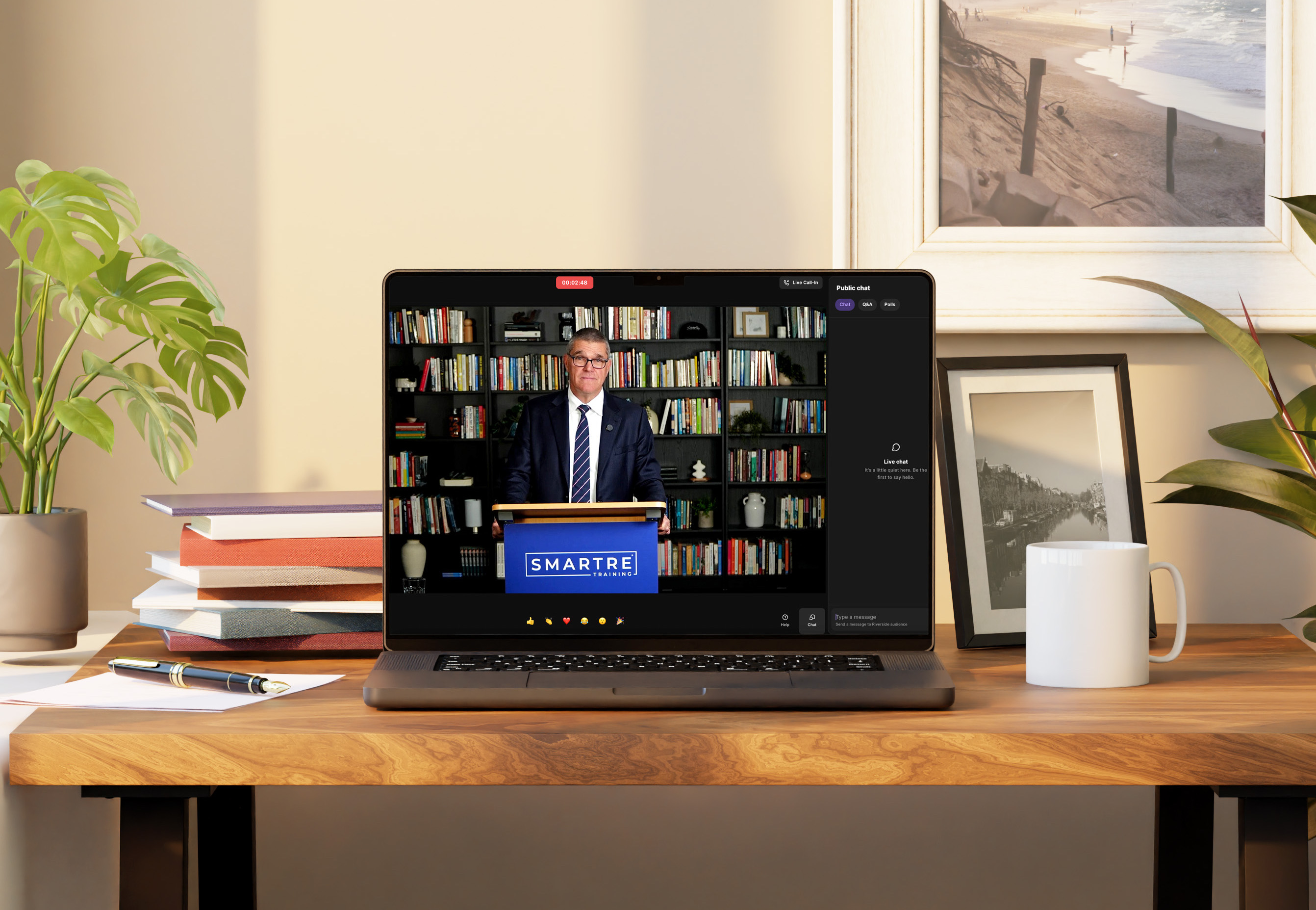
We've put together a webinar that walks you through the Smartre Business System in full, all eight essential elements and how they fit together. It's happening on the 15th of September.
You can register here: [register here]
Because in a business built on variable income, the principals who thrive aren't the ones who earn the most. They're the ones who control what they keep.







.png)