

There is no denying it. The real estate climate has shifted, right across the country. For some agencies the change arrived on budget night. Others could see the trajectory bending well before that. Either way, the market most of us were selling in at the start of the year is not the market we are in now.
How are your people adapting? How are their results over the last couple of months?
The real question for very great leader is how do you help the salespeople who are struggling?
Your newer people will feel it hardest, of course. They have never seen a market like this, and everything about it is unfamiliar. But they are not who I want to focus on here.
I want to talk about your established performers. Your consistent, high-producing salespeople. Because they can slump too.
When one of your best suddenly goes quiet, it is easy to assume they have simply lost a step. Usually, that is not what is happening at all.
Start with the conversation
Before you begin to jump to conclusions or make adjustments, sit down with them one-on-one and have a genuine heart-to-heart. Not a performance review. A conversation about what they think has actually changed.
Listen for which way it points. Are they putting everything down to the market, and simply have not adjusted their actions or their mindset to it yet? Or is something else going on in their operating environment?
At Smartre Training, we see it again and again. When a good salesperson falls into a slump, more often than not it is not the market at all. It is a change at home. Something in the family. Something in their world outside the office that has quietly pulled their focus.
You cannot coach what you have not identified. The conversation comes first.
Once you know what is really going on, you have four tools to coach them back.
Tool One: Ask permission
This is the moment that decides whether the rest works.
Do not simply start showing up in their day. If you suddenly focus on what they are doing, add extra training, and pull them into more meetings, a good salesperson will feel one thing: I am being micromanaged. And your best people react badly to that.
Instead, ask. Ask their permission to work more closely with them for a while, and lay out roughly what that will look like.
The moment you ask, rather than impose, everything changes. You get buy-in. They want to be part of it. They start looking forward to the process instead of resisting it. That single word, permission, is the difference between coaching and micromanaging.
Tool Two: Daily meetings
With permission in hand, add two short, informal catch-ups to each day.
In the morning, talk through what they want to achieve. What appointments are in the diary? What listings or sales might come from them? And outside those appointments, what prospecting and lead generation are they doing to create the next opportunities?
At the end of the day, run the same conversation in reverse. How did it go? What came out of the day? What worked, and what did not?
These two daily debriefs keep your salesperson accountable to the plan they set for themselves, without it ever feeling heavy.
These are informal conversations; it’s likely that one or both may occur over the phone.
Tool Three: Weekly training
Add a dedicated training session to the week, built around the exact scenarios they are struggling with.
Ask them where it is breaking down. In a shifting market, it is usually one of a handful of moments:
• Coaching sellers through the change in the market
• Getting sellers, in the listing presentation, to genuinely understand where prices now sit, or belief that buyers are still active
• Getting buyers to commit and actually make an offer
Identify the specific challenge, then train directly into it. When your salespeople see training aimed squarely at the problem in front of them, they stop enduring it and start looking forward to it.
Tool Four: The weekly one-on-one
The first two tools are about actions and skills. This one is about the person.
Your salespeople need to know you care about them, not just their numbers. Once a week, leave the office together. Go to the local coffee shop, or grab lunch, and check in properly.
How are they going at home? How are they feeling about the market? Where is their confidence? What can you do to help them, the person, rather than them, the real estate agent?
Change the environment, and you change the conversation.
Four simple tools. One good salesperson brought back.
To recap, here are the four tools for helping a salesperson who is struggling. Yet remember to get their permission first, so they want to be part of it
• Ask permission to ensure your salesperson owns the process
• Daily meetings, a morning plan and an evening debrief
• A weekly training session, built around their real challenges
• A weekly one-on-one, out of the office, focused on them as a person
Notice what runs through all four. None of it is micromanagement. Every one of them is a way of saying, I have got you, and we will work through this together. That is what your best people need when the market turns, and it is exactly what brings them back to their best.
Where to build it
You have already had the overview of our system when you attended our webinar. These four tools sit inside just one of the six essential elements we teach, the element we call Team.
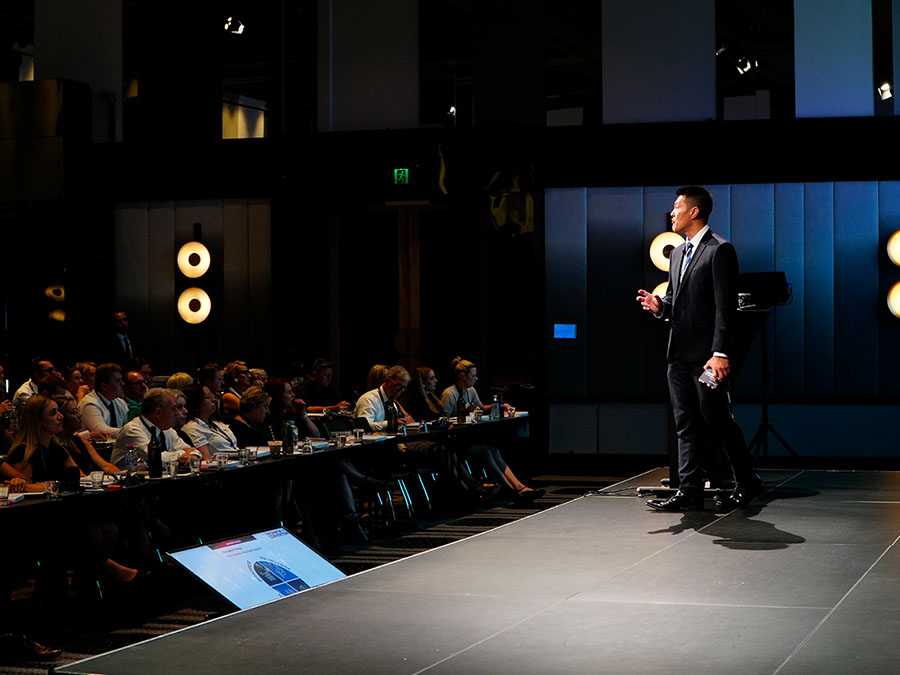
The Smartre Management Seminar is where you build it. Five days working through Culture, Control, Recruit, Attract, Team and Manage, with the coaching rhythms, meeting structures and numbers mapped to your own agency. You leave with the plan built, not a folder of notes to build it from.
The Smartre Management Seminar, Gold Coast. 11th to 15th October, QT Hotel Gold Coast.
Ready to take the leap? There isn’t much time left and seats are limited. Secure yours here.
Not sure yet whether it is the right fit for your business? Book a chat with our team and we will talk it through with you.
Because a downturn does not have to cost you your best people. Handled well, it is the moment they learn they can count on you.

There is no denying it. The real estate climate has shifted, right across the country. For some agencies the change arrived on budget night. Others could see the trajectory bending well before that. Either way, the market most of us were selling in at the start of the year is not the market we are in now.
How are your people adapting? How are their results over the last couple of months?
The real question for very great leader is how do you help the salespeople who are struggling?
Your newer people will feel it hardest, of course. They have never seen a market like this, and everything about it is unfamiliar. But they are not who I want to focus on here.
I want to talk about your established performers. Your consistent, high-producing salespeople. Because they can slump too.
When one of your best suddenly goes quiet, it is easy to assume they have simply lost a step. Usually, that is not what is happening at all.
Start with the conversation
Before you begin to jump to conclusions or make adjustments, sit down with them one-on-one and have a genuine heart-to-heart. Not a performance review. A conversation about what they think has actually changed.
Listen for which way it points. Are they putting everything down to the market, and simply have not adjusted their actions or their mindset to it yet? Or is something else going on in their operating environment?
At Smartre Training, we see it again and again. When a good salesperson falls into a slump, more often than not it is not the market at all. It is a change at home. Something in the family. Something in their world outside the office that has quietly pulled their focus.
You cannot coach what you have not identified. The conversation comes first.
Once you know what is really going on, you have four tools to coach them back.
Tool One: Ask permission
This is the moment that decides whether the rest works.
Do not simply start showing up in their day. If you suddenly focus on what they are doing, add extra training, and pull them into more meetings, a good salesperson will feel one thing: I am being micromanaged. And your best people react badly to that.
Instead, ask. Ask their permission to work more closely with them for a while, and lay out roughly what that will look like.
The moment you ask, rather than impose, everything changes. You get buy-in. They want to be part of it. They start looking forward to the process instead of resisting it. That single word, permission, is the difference between coaching and micromanaging.
Tool Two: Daily meetings
With permission in hand, add two short, informal catch-ups to each day.
In the morning, talk through what they want to achieve. What appointments are in the diary? What listings or sales might come from them? And outside those appointments, what prospecting and lead generation are they doing to create the next opportunities?
At the end of the day, run the same conversation in reverse. How did it go? What came out of the day? What worked, and what did not?
These two daily debriefs keep your salesperson accountable to the plan they set for themselves, without it ever feeling heavy.
These are informal conversations; it’s likely that one or both may occur over the phone.
Tool Three: Weekly training
Add a dedicated training session to the week, built around the exact scenarios they are struggling with.
Ask them where it is breaking down. In a shifting market, it is usually one of a handful of moments:
• Coaching sellers through the change in the market
• Getting sellers, in the listing presentation, to genuinely understand where prices now sit, or belief that buyers are still active
• Getting buyers to commit and actually make an offer
Identify the specific challenge, then train directly into it. When your salespeople see training aimed squarely at the problem in front of them, they stop enduring it and start looking forward to it.
Tool Four: The weekly one-on-one
The first two tools are about actions and skills. This one is about the person.
Your salespeople need to know you care about them, not just their numbers. Once a week, leave the office together. Go to the local coffee shop, or grab lunch, and check in properly.
How are they going at home? How are they feeling about the market? Where is their confidence? What can you do to help them, the person, rather than them, the real estate agent?
Change the environment, and you change the conversation.
Four simple tools. One good salesperson brought back.
To recap, here are the four tools for helping a salesperson who is struggling. Yet remember to get their permission first, so they want to be part of it
• Ask permission to ensure your salesperson owns the process
• Daily meetings, a morning plan and an evening debrief
• A weekly training session, built around their real challenges
• A weekly one-on-one, out of the office, focused on them as a person
Notice what runs through all four. None of it is micromanagement. Every one of them is a way of saying, I have got you, and we will work through this together. That is what your best people need when the market turns, and it is exactly what brings them back to their best.
Where to build it
You have already had the overview of our system when you attended our webinar. These four tools sit inside just one of the six essential elements we teach, the element we call Team.
The Smartre Management Seminar is where you build it. Five days working through Culture, Control, Recruit, Attract, Team and Manage, with the coaching rhythms, meeting structures and numbers mapped to your own agency. You leave with the plan built, not a folder of notes to build it from.
The Smartre Management Seminar, Gold Coast. 11th to 15th October, QT Hotel Gold Coast.
Ready to take the leap? There isn’t much time left and seats are limited. Secure yours here.
Not sure yet whether it is the right fit for your business? Book a chat with our team and we will talk it through with you.
Because a downturn does not have to cost you your best people. Handled well, it is the moment they learn they can count on you.






.png)